
Workforce Resilience as Strategic Priority
Healthcare organizations are facing sustained workforce pressure. Staffing shortages, emotional fatigue, and the cumulative demands of caregiving continue to challenge hospitals nationwide. While compensation, staffing models, and culture are critical components of retention, the physical environment also plays a role in shaping daily experience.
The spaces where caregivers spend long shifts can either compound stress or provide moments of restoration. As leadership teams explore meaningful ways to support resilience, the integration of accessible green space into healthcare campuses is gaining attention.
Green roofs offer a practical way to embed restorative opportunity directly into the workplace.
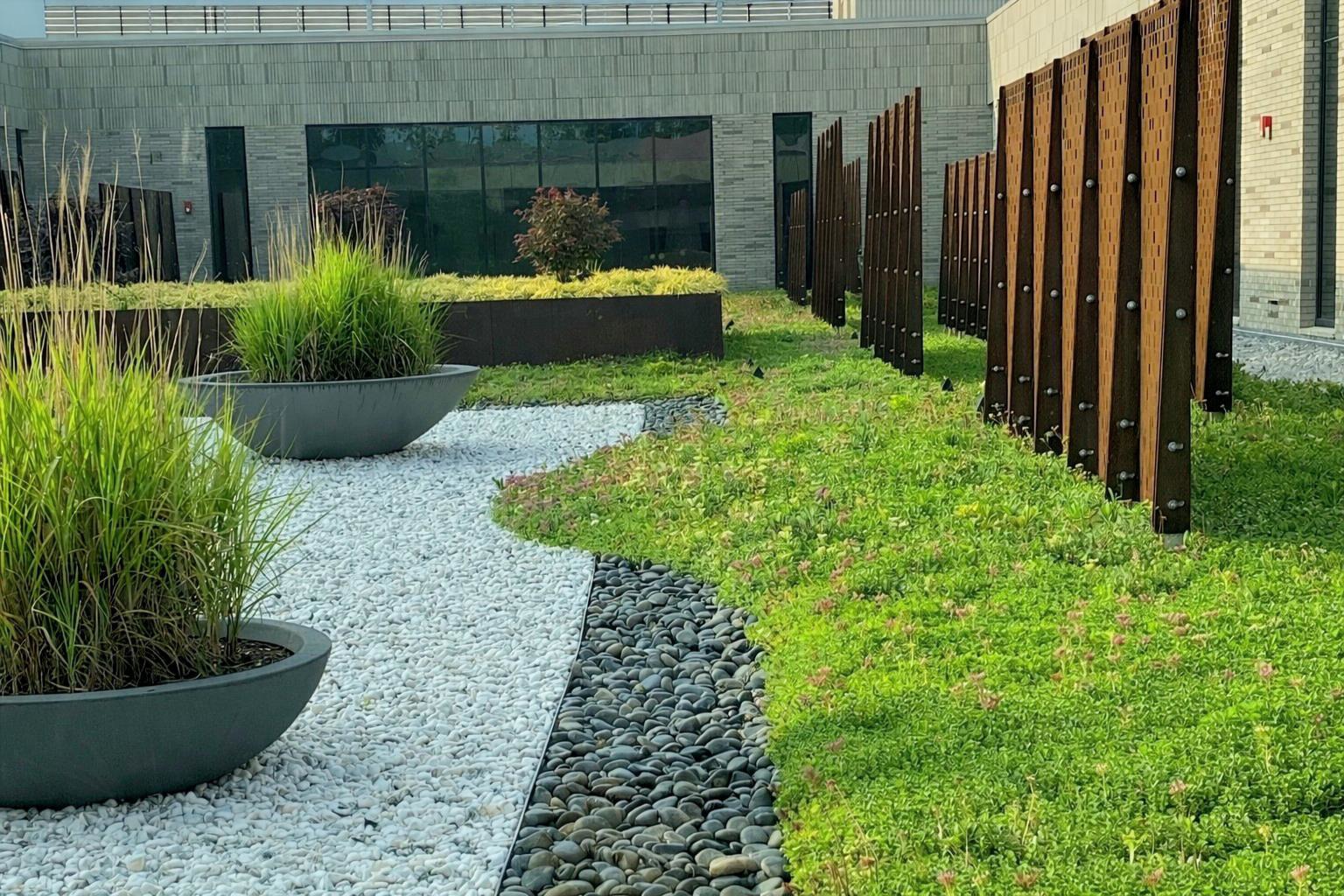
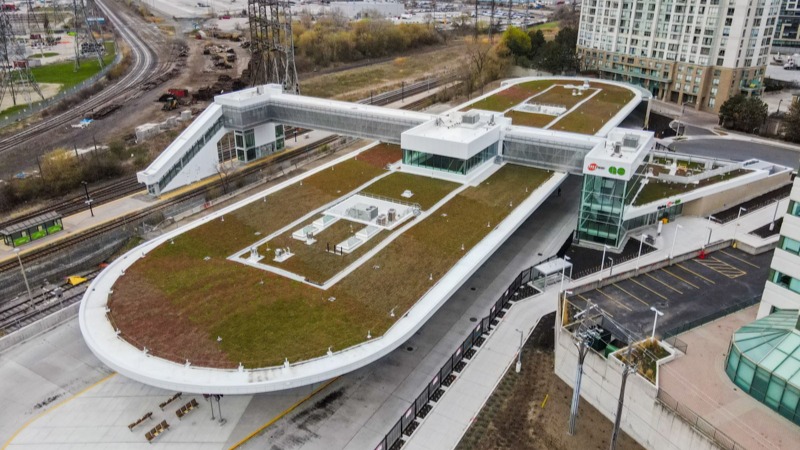
Crystal Clinic | Akron, OH
Accessible rooftop retreat supporting staff restoration during long shifts.
Burnout and the Built Environment
Clinical environments are often characterized by artificial lighting, noise, limited daylight, and long hours in enclosed spaces. Over time, these conditions can contribute to mental fatigue and stress accumulation.
Research in environmental psychology shows that exposure to natural environments — even brief visual or physical interaction — can reduce stress responses and support cognitive restoration (Ulrich et al., 2008). Studies summarized by The Center for Health Design also suggest correlations between access to natural settings and higher staff satisfaction (Sadler et al., 2011).
For caregivers transitioning continuously between demanding clinical responsibilities, short periods of environmental relief can have cumulative impact.
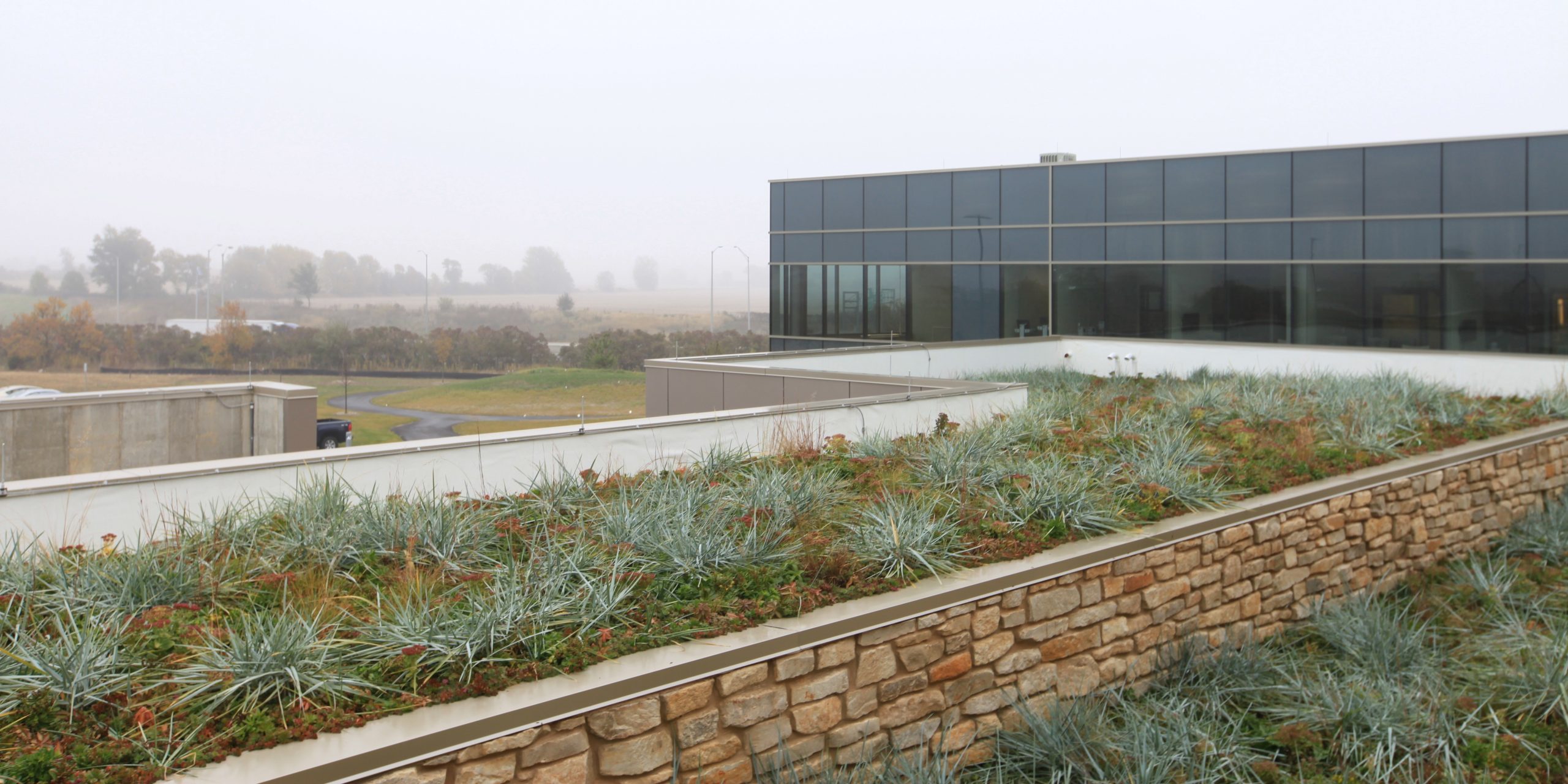
Swedish American Hospital | Rockford, IL
Green roof reinforcing organizational commitment to caregiver well-being.
Rooftops as Accessible Respite
In many facilities, ground-level outdoor space is limited by footprint or distance from care units. Rooftops present an underutilized opportunity to bring nature closer to where care is delivered.
When thoughtfully integrated, rooftop green spaces can provide:
- Convenient access near staff work areas
- A sense of separation from clinical intensity
- Quiet environments for brief, restorative breaks
Unlike outdoor areas that require extended travel time, rooftop landscapes adjacent to break rooms or staff lounges encourage consistent use without disrupting workflow.
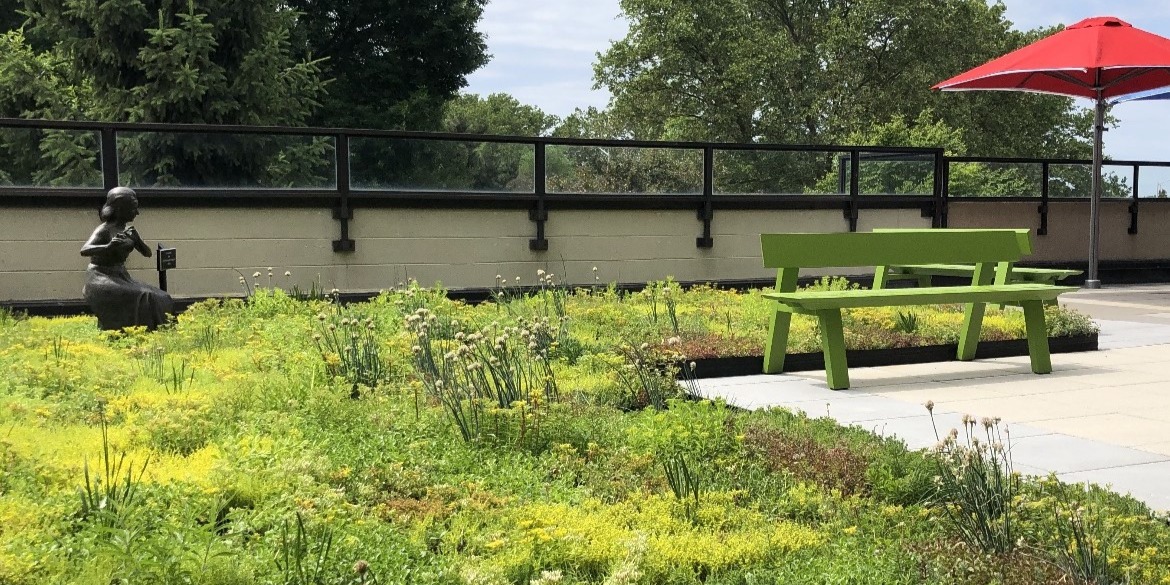
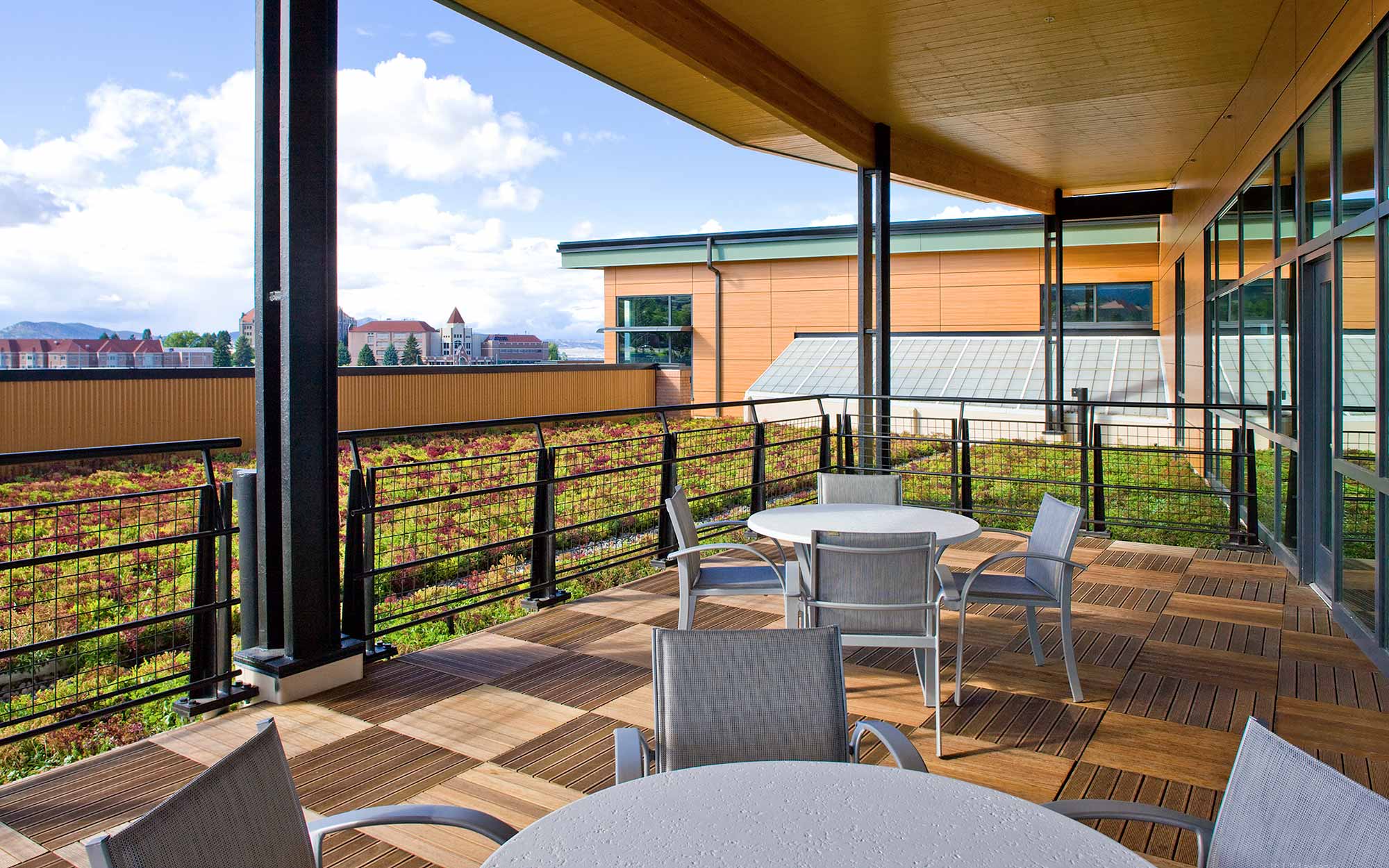
Mary Free Bed Hospital | Grand Rapids, MI
Rooftop garden supporting cognitive reset for rehabilitation professionals.
Designing for Meaningful Use
The value of a rooftop landscape depends on its quality and perceived legitimacy. Landscapes that feel complete and intentional are more likely to become part of daily routines.
Research on restorative environments suggests that plant diversity, visual depth, and seasonal variation enhance psychological benefit (Marcus & Sachs, 2013). Certain modular systems, including LiveRoof® green roofs, support the installation of mature, continuous vegetation at placement, helping ensure that rooftop spaces feel fully realized rather than transitional.
When paired with seating and thoughtful layout, rooftop gardens can function as genuine staff infrastructure rather than symbolic amenities.
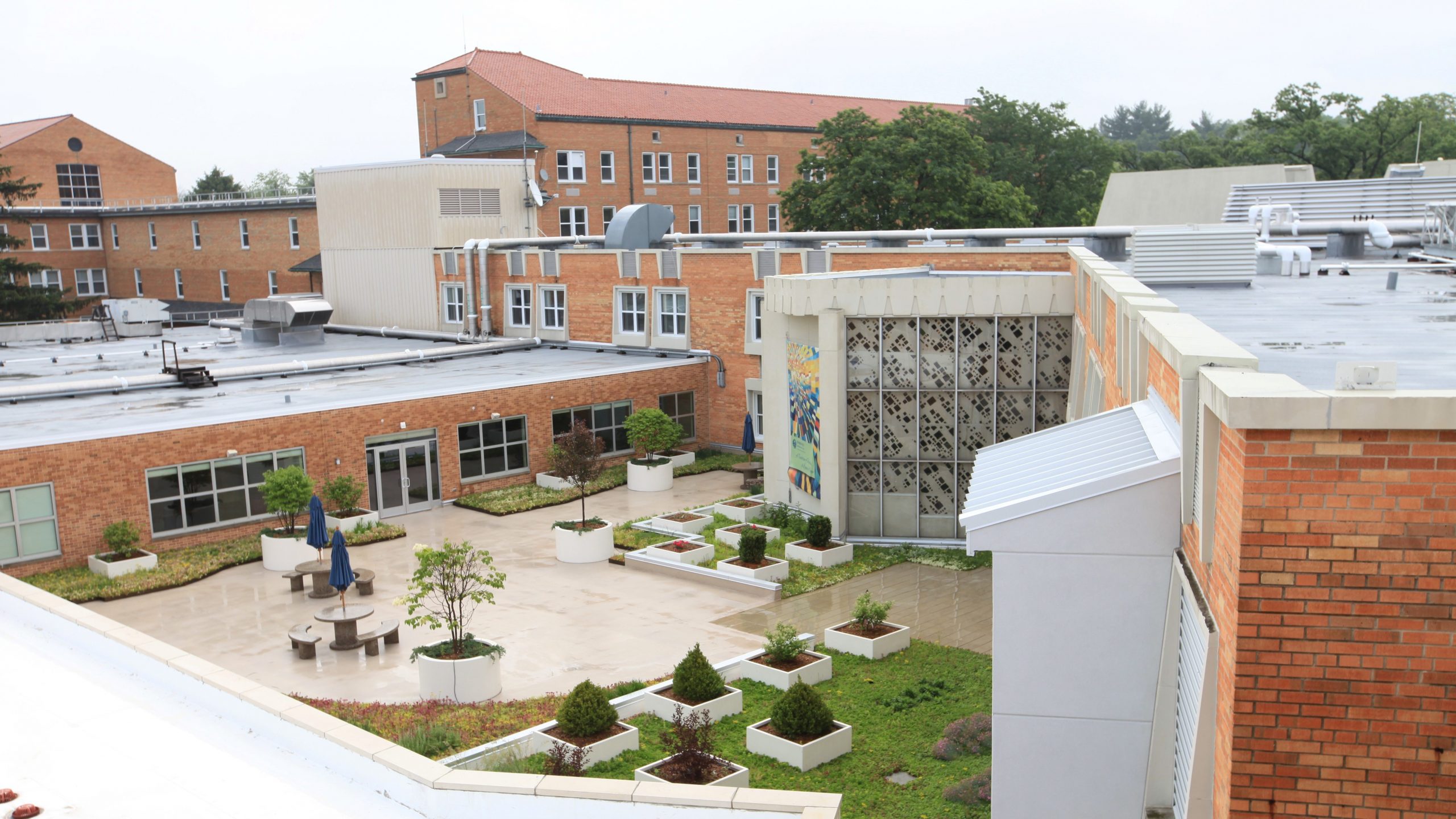
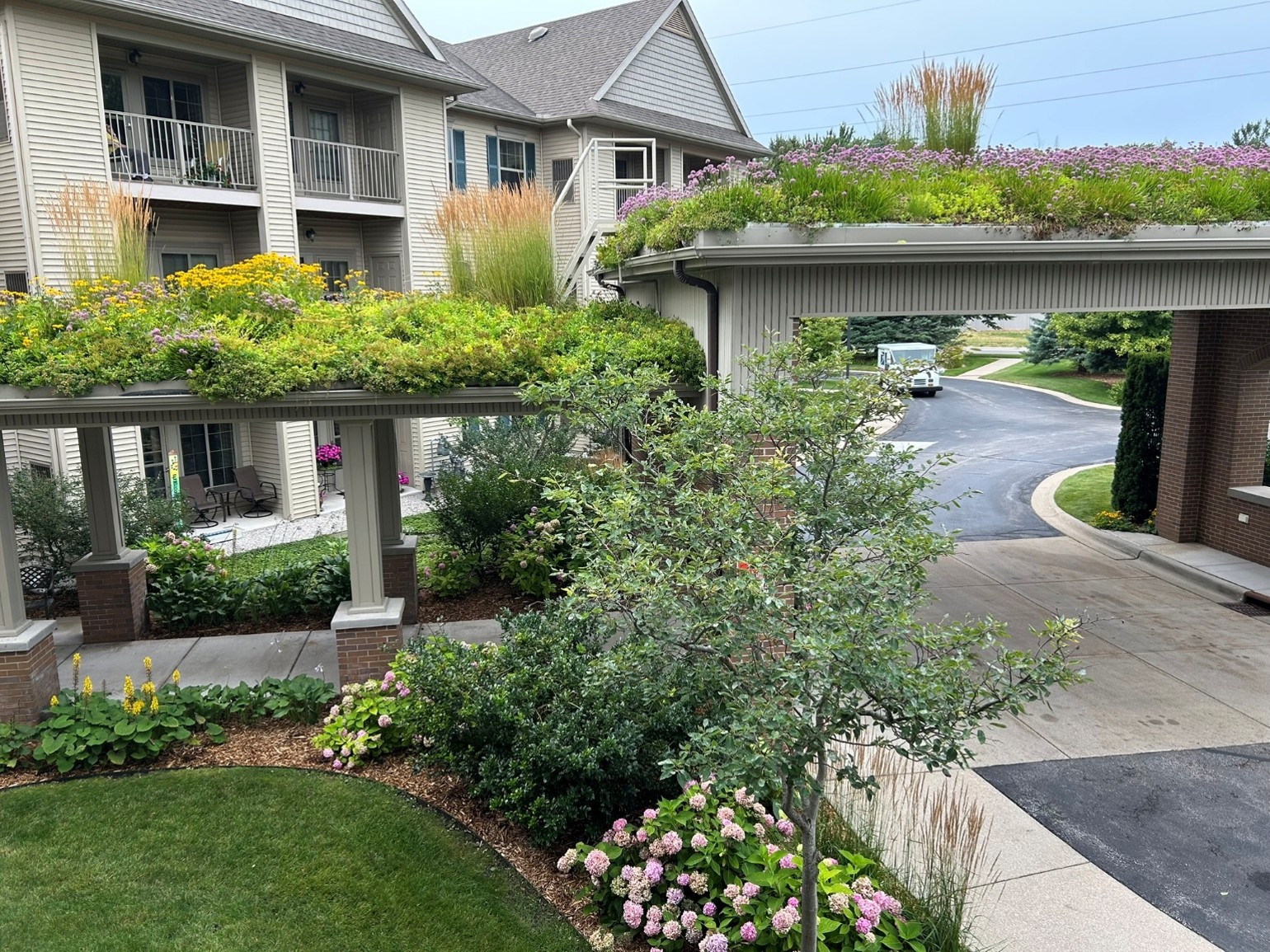
Marianjoy Rehabilitation Hospital | Wheaton, IL
Integrated green roof contributing to morale and retention strategy.
Organizational Implications
Visible investments in restorative space communicate institutional priorities. In competitive labor markets, the built environment can reinforce a culture of support.
While green roofs are not a singular solution to workforce challenges, they contribute to improved morale, stress mitigation, and workplace satisfaction over time. Facilities such as Marianjoy Rehabilitation Hospital demonstrate how rooftop green spaces can be integrated into staff environments in ways that feel purposeful and operationally aligned.
In the next article, we will examine how green roofs extend their impact beyond hospital walls — supporting environmental stewardship and community health.
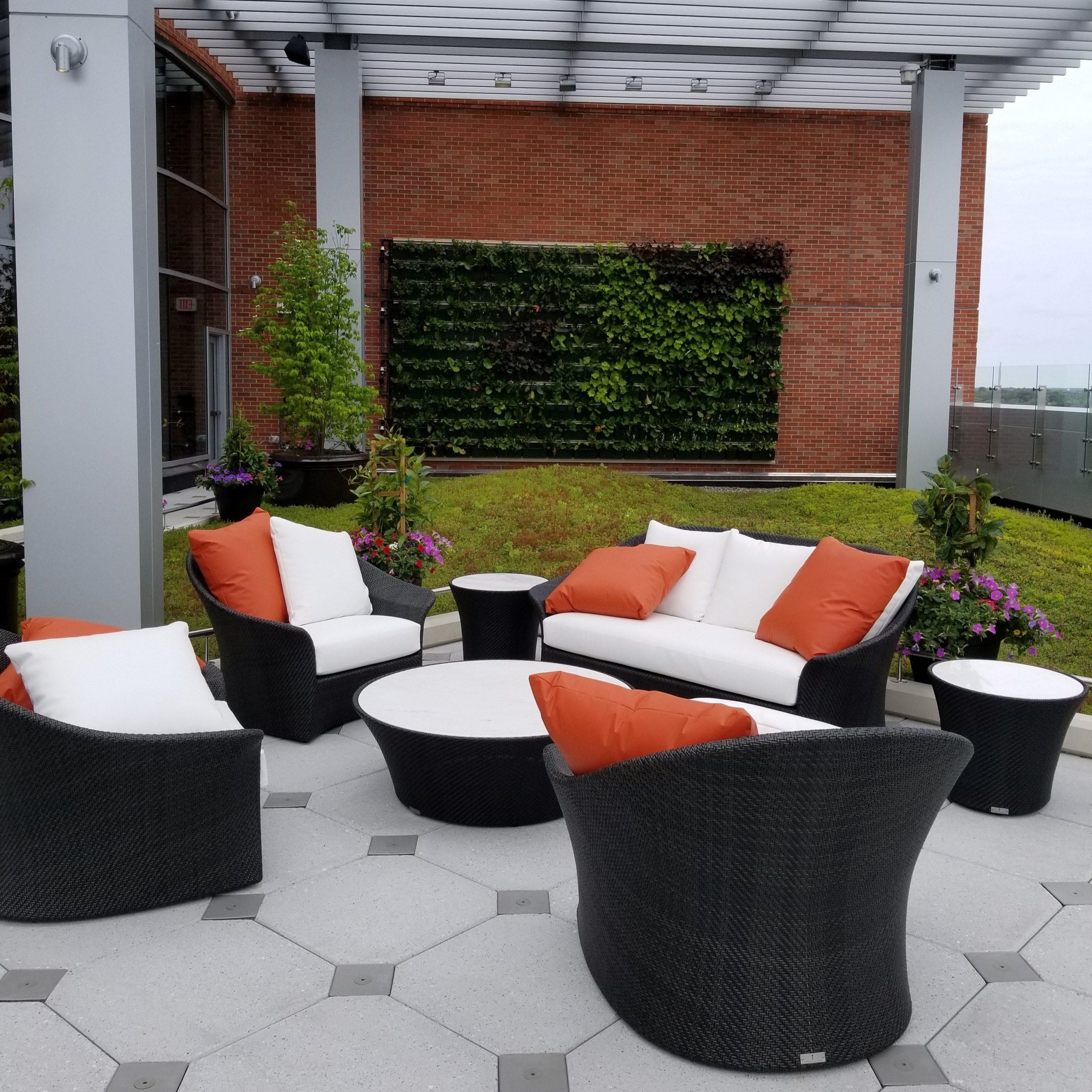
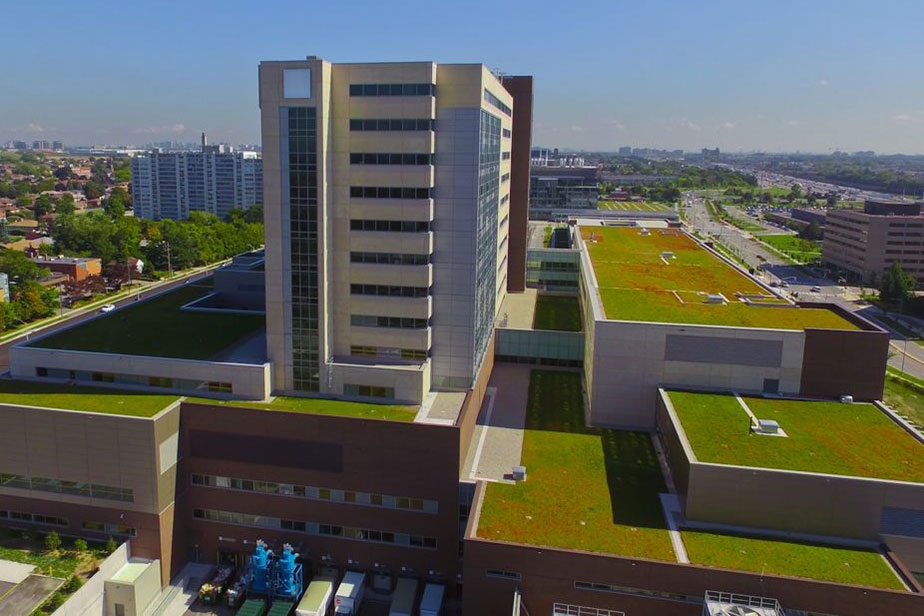
Jersey Shore University Medical Center | Neptune City, NJ
Vegetated roof providing visual relief in a high-demand campus.
Continue Exploring
About this Series
Green Roofs as Healthcare Infrastructure explores how rooftop landscapes support patient recovery, staff resilience, environmental stewardship, and long-term campus performance. Across six articles, we examine why green roofs are becoming integral components of modern healthcare environments.
Jodi Griffin is the Business Development Manager for LiveRoof® Global. Questions about healthcare applications? Reach out anytime at jodi@liveroof.com.